
Perfil de Clientes no Piloto Automatico: Como a IA Classifica Seus Leads do WhatsApp de A a D
Pare de tratar todos os leads do WhatsApp da mesma forma. A IA cria perfis automaticamente e classifica cada cliente de A a D para voce focar nos negocios que realmente importam.
O problema real
Você tem 200 conversas abertas no WhatsApp. Em algum lugar ali estão 3 pessoas prontas para fazer pedidos de $20K nessa semana. Também estão ali: 40 pessoas comparando preços sem intenção de comprar, 15 pessoas que fizeram uma pergunta e sumiram, e um monte de mensagens "só verificando."
Você não sabe quem é quem. A única forma de descobrir é ler cada conversa, tentar lembrar o que cada pessoa disse da última vez, e fazer um julgamento de instinto sobre quem merece seu tempo hoje.
Então você acaba fazendo o que todo mundo faz: respondendo na ordem aproximada em que as mensagens chegaram. O que significa que seu lead mais quente pode ficar sem ler por 3 horas enquanto você elabora uma resposta cuidadosa para alguém que está apenas coletando cotações para um concorrente.
Isso é burro. Sabemos que é burro. Mas sem um sistema, não tem opção melhor.
Como pensamos em resolver isso
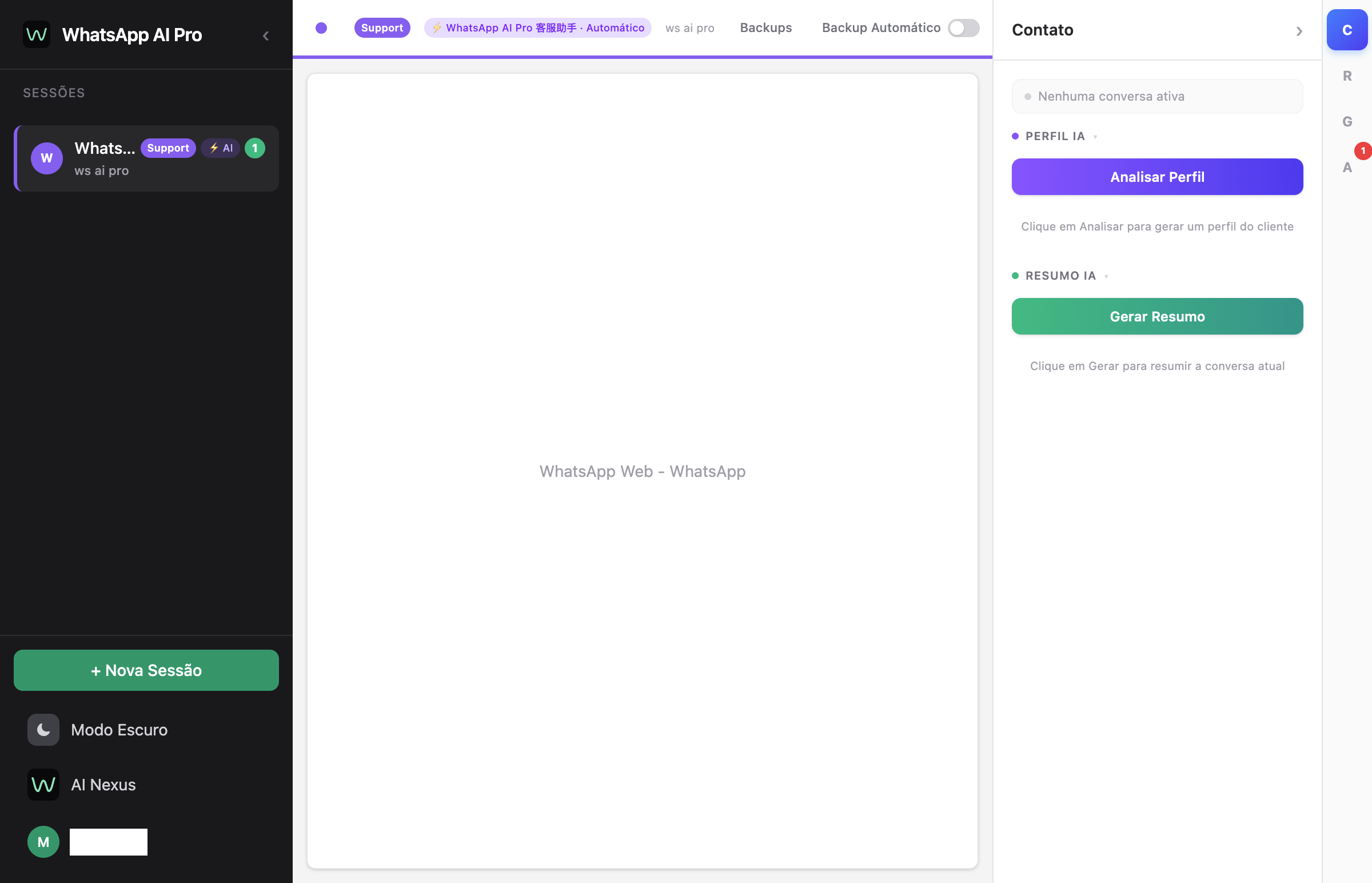
O WhatsApp AI Pro constrói um perfil de cliente automaticamente a partir de cada conversa. Não é um formulário que você preenche — a IA lê a conversa e extrai:
- Nome da empresa e cargo
- Quais produtos perguntaram
- Sinais de orçamento (pedidos de quantidade, sensibilidade a preço, como reagem a cotações)
- Prazo ("preciso disso até março" vs "só explorando opções")
- Se parecem ser o tomador de decisão ou alguém fazendo pesquisa para o chefe
Depois atribui um tier. A até D.
A — pronto para comprar. Orçamento claro, prazo específico, pediu preço ou amostras, parece quem decide. Largue tudo e fale com essas pessoas.
B — interessado, não pronto. Boas perguntas, engajamento real, mas sem compromisso de prazo ou orçamento ainda. A IA pode cuidar dos follow-ups enquanto você foca em outros.
C — estágio inicial. Consulta geral, sem urgência. Check-ins periódicos, totalmente automatizados.
D — não perca tempo. Compradores de preço, concorrentes bisbilhotando, consultas que não combinam com o que você vende.
O que muda quando você realmente usa isso
A rotina matinal muda. Em vez de rolar 200 conversas tentando descobrir por onde começar, você abre o dashboard e vê: 3 leads A-tier precisam de atenção, 12 leads B-tier estão em sequências de follow-up automatizado, o resto está resolvido.
Você gasta 30 minutos nas 3 conversas que importam. Pronto. É toda a mudança de fluxo.
O benefício menos óbvio: migração de tier. A cada semana você pode ver quais leads passaram de C para B, ou de B para A. Essas transições são seu sistema de alerta antecipado de onde os próximos negócios estão vindo — sem ler centenas de mensagens para identificar o padrão você mesmo.
O problema do conhecimento
Seu melhor vendedor sabe que o Cliente X sempre faz pedido no Q3, o Cliente Y gosta de negociar 15% de desconto sobre o preço de tabela, e o Cliente Z está "quase pronto" há dois meses e só precisa de mais um empurrão. Essa informação é incrivelmente valiosa. Ela vive inteiramente na cabeça daquela pessoa.
Quando ela sai de férias, esse conhecimento fica indisponível. Quando sai da empresa, se perde para sempre.
Perfis de IA são persistentes. Se acumulam ao longo do tempo e pertencem ao negócio. Toda interação adiciona ao registro. Quando um novo vendedor assume uma conversa, ele vê o histórico completo: no que esse cliente se interessa, o que pediu, como normalmente se comporta.
Uma nota sobre os dados ao longo do tempo
Depois de algumas centenas de conversas, os perfis são úteis. Depois de mil, padrões começam a aparecer que nenhum humano identificaria manualmente — quais produtos recebem mais consultas de quais regiões, quais objeções surgem antes dos deals travarem, quais padrões de conversa tendem a terminar em negócios fechados.
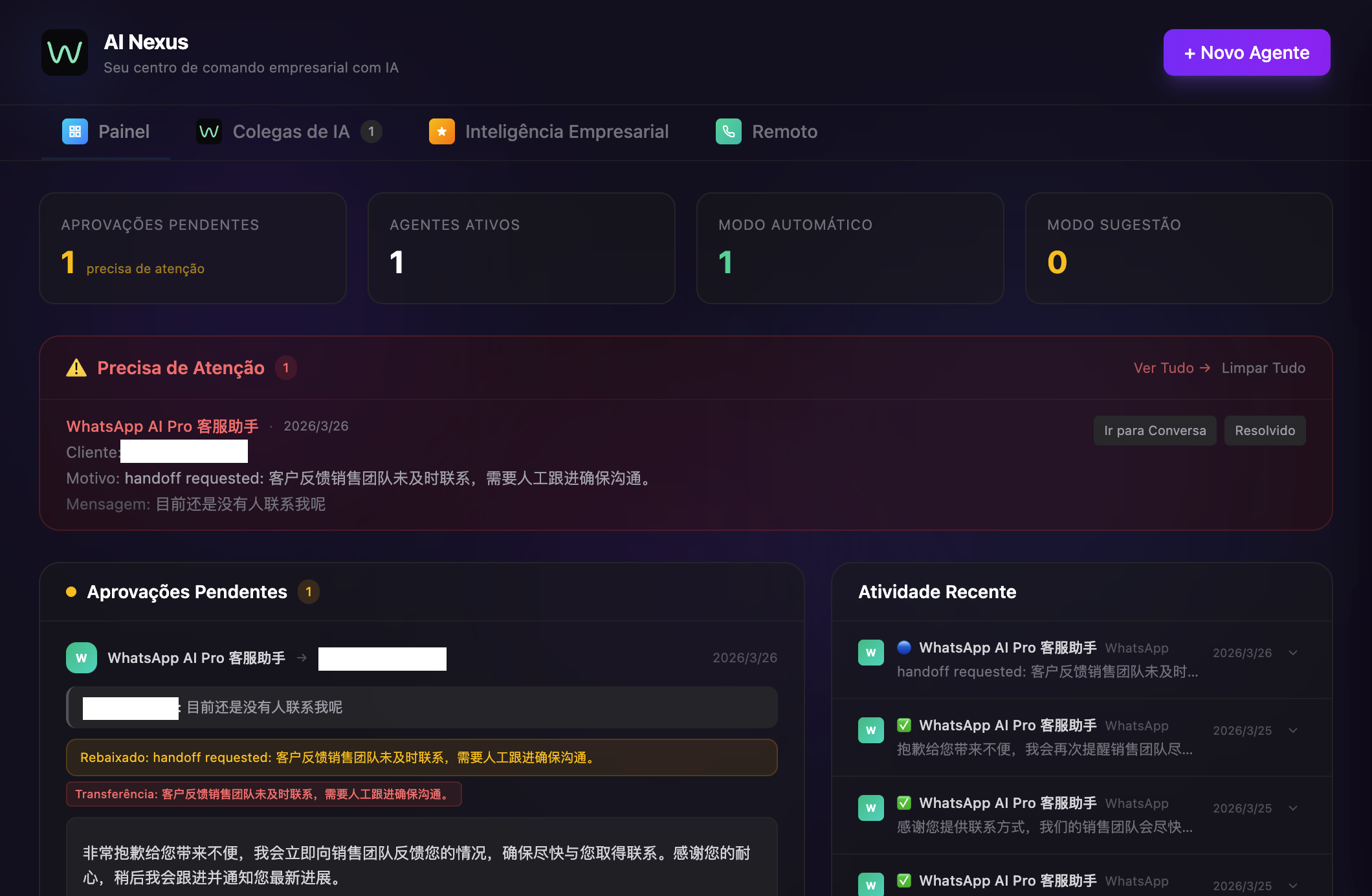
Nada disso requer configuração. O perfil é ativado automaticamente quando você cria um agente de IA. A IA começa a construir perfis desde a conversa número um.
Você pode ver qualquer perfil no painel de contato, filtrar sua lista de contatos por tier, ou exportar os dados se quiser fazer sua própria análise. O ponto não é substituir seu julgamento de vendas — é garantir que seu julgamento esteja informado antes de gastar tempo numa conversa.
Baixe o WhatsApp AI Pro — perfilamento de clientes ativa automaticamente, garantia de reembolso de 7 dias.